
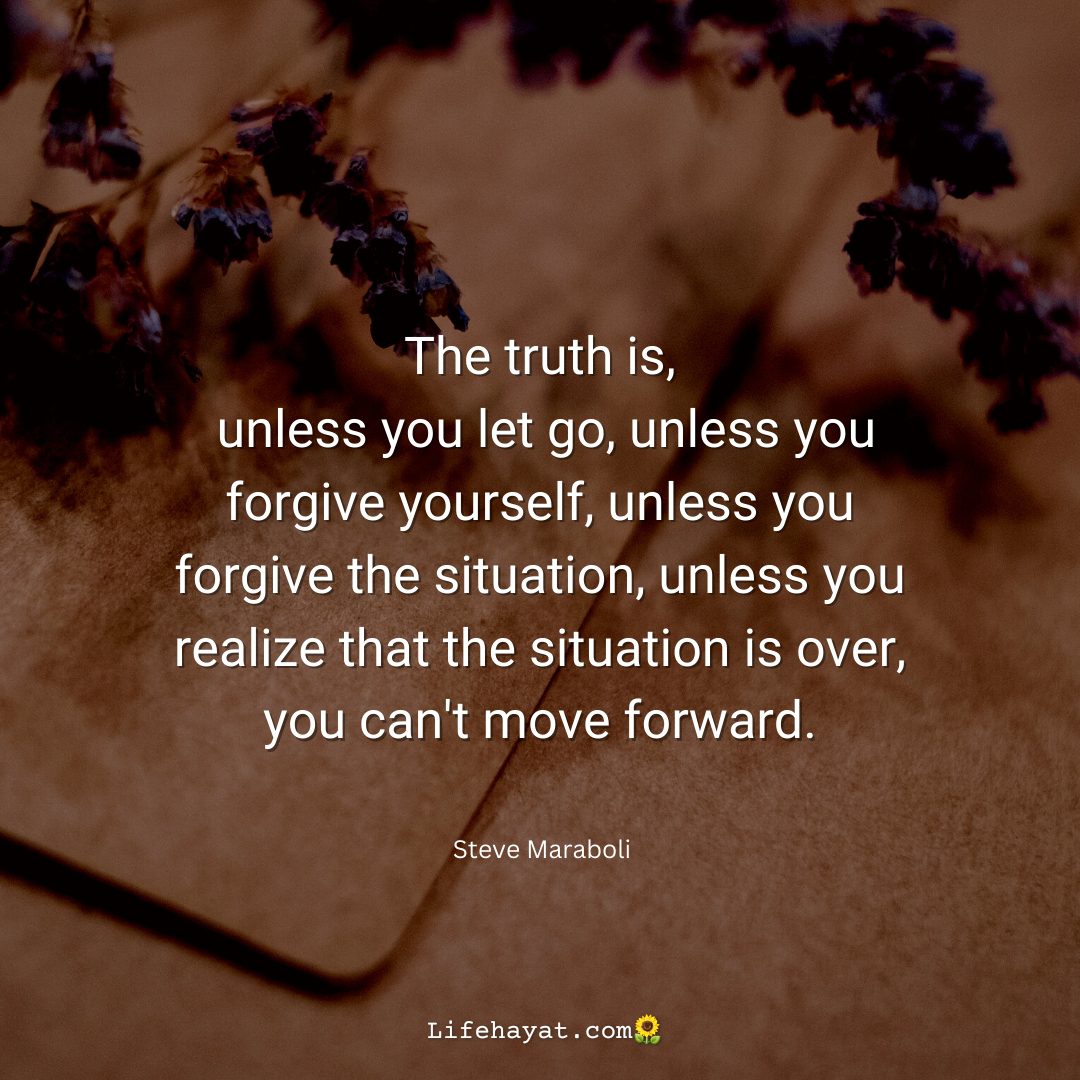
The Art of Moving On: Tips for Letting Go
Holding onto the past, whether it's a failed relationship, a lost opportunity, or a personal setback, weighs us down. It prevents us from embracing the present and building a brighter future. Letting go isn't about forgetting; it's about accepting what happened, learning from it, and consciously choosing to move forward. This process requires effort, self-compassion, and a willingness to embrace change. This article offers practical strategies to help you navigate this challenging yet ultimately liberating journey.
Acknowledge and Validate Your Emotions
Before you can move on, you must first acknowledge and validate the emotions you're experiencing. Suppressing grief, anger, or disappointment only prolongs the healing process. Allow yourself to feel these emotions fully. Cry if you need to, journal your thoughts, or talk to a trusted friend or therapist. Don't judge your feelings; simply accept them as a natural part of the healing process. Recognize that it's okay to not be okay. This initial stage of acceptance paves the way for genuine progress.
Practice Self-Compassion
Be kind to yourself. Avoid self-criticism or dwelling on what you could have done differently. Remember that everyone experiences setbacks and disappointments. Treat yourself with the same understanding and compassion you would offer a close friend facing a similar situation. Engage in self-care activities that nurture your well-being, such as spending time in nature, practicing mindfulness, or pursuing hobbies you enjoy. These acts of self-love are crucial for emotional recovery.
Learn from the Experience
Instead of viewing past events as failures, reframe them as learning opportunities. What can you take away from this experience? What valuable lessons have you learned about yourself, others, or the situation itself? Analyzing the situation objectively, without assigning blame, allows you to extract valuable insights that can inform your future decisions and actions. This shift in perspective transforms a negative experience into a catalyst for growth.
Identify and Challenge Negative Thoughts
Negative thoughts and self-limiting beliefs can hinder your progress. Become aware of these thoughts and actively challenge their validity. Are these thoughts based on facts or assumptions? Are they helpful or harmful? Replace negative thoughts with more positive and realistic affirmations. For example, instead of thinking "I'll never find love again," try "I am worthy of love and will find happiness in the future." This conscious effort to reframe your thinking significantly impacts your emotional well-being.
Focus on the Present and Future
Once you've processed your emotions and learned from your experience, it's time to shift your focus to the present moment. Practice mindfulness techniques to stay grounded in the here and now. Engage in activities that bring you joy and fulfillment. Set new goals and pursue your passions. Visualize your ideal future and take concrete steps toward achieving it. By focusing your energy on the present and future, you create space for new opportunities and experiences, leaving the past behind.
Create New Habits and Routines
Breaking free from the past often involves establishing new habits and routines. This might involve changing your daily schedule, exploring new hobbies, or connecting with new people. These changes create a sense of forward momentum and help you build a new identity separate from your past experiences. Consistency is key, so start small and gradually build upon your progress. Celebrate your achievements along the way to stay motivated.
Seek Support
Moving on is rarely a solitary journey. Don't hesitate to seek support from friends, family, or a mental health professional. Talking about your feelings and experiences can be incredibly therapeutic. A therapist can provide guidance and tools to help you process your emotions and develop coping mechanisms. Remember, seeking help is a sign of strength, not weakness.
Letting go is a process, not a destination. Be patient with yourself and celebrate your progress along the way. Embrace the journey of self-discovery and growth, and remember that a brighter future awaits.


No comments:
Post a Comment
Note: Only a member of this blog may post a comment.