Rebounding After a Breakup: Is it a Good Idea?
Okay, so your heart's been stomped on. You've just gone through a breakup, and the world feels like it's ending. Ice cream is your best friend, and your bed is your new kingdom. Totally get it. But then, BAM! Someone new enters the picture, all smiles and attention. A rebound. Is it a good idea? That's the million-dollar question, and honestly, there's no easy yes or no answer. It's complicated, messy, and deeply personal.
Let's dive into the messy world of rebounds and figure out if they're actually worth the emotional rollercoaster.
The Allure of the Rebound
Why are rebounds so tempting? Well, let's be honest, they offer a tempting escape route from the pain of a breakup. Suddenly, you have someone showering you with attention, making you feel wanted, and â€" temporarily â€" distracting you from the heartbreak. It's like a quick fix for a gaping emotional wound. Think of it like this: you've just had your heart broken, and instead of carefully tending to the wound, you're slapping on a brightly colored bandage that might look good but doesn’t really do anything to heal the underlying issue.
Instant Gratification
Rebounds often provide instant gratification. The validation, the affection, the feeling of being desired â€" it's a powerful antidote to the rejection and loneliness you’re experiencing. It feels good in the moment, which is why it’s so tempting.
Escaping the Pain
The pain of a breakup is intense. Rebounds can be a distraction from this pain, providing a temporary escape from confronting the raw emotions.
Boosting Self-Esteem
A new romantic interest can temporarily boost your self-esteem, reminding you that you're still desirable and capable of attracting someone else.
The Potential Pitfalls of Rebounding
Okay, so we've talked about the positives (or, well, the short-term feel-good aspects). But let’s get real. Jumping into a new relationship before you’ve had a chance to heal can lead to a whole host of problems.
Emotional Baggage
You're carrying around a lot of emotional baggage from your previous relationship. Unresolved feelings of anger, sadness, betrayal, or confusion will inevitably spill over into the new relationship. You might project those feelings onto your new partner, unfairly blaming them for the failings of your previous relationship. This is rarely fair to the new person and often results in more hurt feelings.
Lack of Genuine Connection
Because rebounds are often driven by a need for immediate comfort rather than genuine connection, the relationship might lack depth and authenticity. You’re not truly building a relationship based on mutual understanding and shared values; you’re using this person as a means to an end (an end to your heartache).
Complicating Healing
Instead of allowing yourself time to process and heal from your previous relationship, a rebound prevents you from doing the necessary emotional work. You’re avoiding self-reflection, and that’s crucial for personal growth and future healthy relationships.
Hurting the New Person
This is the most important point: using someone as a rebound is fundamentally unfair. You're using them to fill a void that you need to fill yourself. They deserve to be with someone who is fully present and emotionally available, not someone still grappling with the ghosts of a past relationship.
Prolonging the Healing Process
Ironically, a rebound can actually *prolong* the healing process. Because you haven't properly dealt with the emotional fallout of the previous relationship, the issues remain unresolved and might even be amplified by the new relationship dynamics. It’s like trying to build a house on a shaky foundation â€" sooner or later, it’ll all come crashing down.
When Might a Rebound *Actually* Work?
Now, before you completely write off the idea of rebounds, let's acknowledge that, in extremely rare circumstances, they *can* work out. But these circumstances are the exceptions, not the rule. A rebound *might* have a chance if:
- You've genuinely processed your previous relationship and are in a good place emotionally.
- You're entering the new relationship with clear intentions and boundaries.
- Both individuals are fully aware of the circumstances and are emotionally mature enough to navigate the complexities.
- The relationship develops organically and naturally, not out of a desperate need to escape pain.
Even then, it’s a risky gamble. The odds are stacked against it, and it’s much better to focus on self-healing first.
Focusing on Yourself: The Best "Rebound"
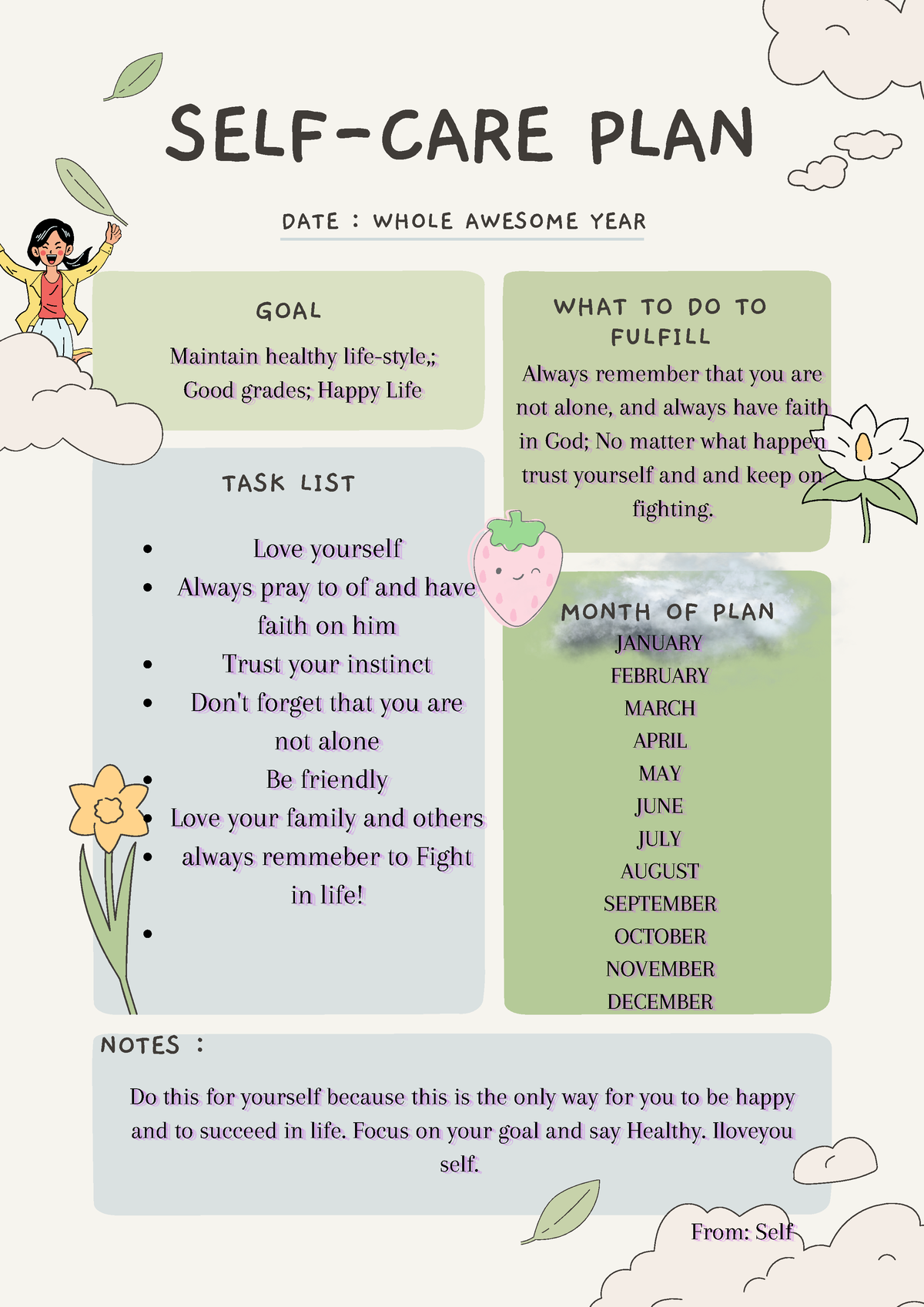
The best "rebound" after a breakup is, without a doubt, yourself. Use this time to reconnect with your passions, rediscover your identity outside of the relationship, and nurture your self-worth. Focus on:
- Self-care: Prioritize your physical and mental health. Exercise, eat well, get enough sleep, and engage in activities that bring you joy.
- Self-reflection: Take time to understand what went wrong in the previous relationship and what you can learn from it. Journaling can be really helpful here.
- Social connections: Spend quality time with friends and family. Their support is invaluable during this time.
- Personal growth: Pursue new hobbies, learn a new skill, or explore areas you've always been curious about.
Give yourself the time and space you need to heal. Don’t rush into anything new just to fill the void. The right relationship will come when you're ready, when you're whole and capable of giving your full self to someone else, without any baggage from the past weighing you down.
Commonly Asked Questions
Q: How long should I wait before dating again after a breakup?
A: There's no magic number. It depends entirely on you and how you're feeling. Focus on healing and self-discovery before considering dating again. Some people need weeks, others need months or even longer.
Q: How can I tell if I'm ready to date again?
A: You'll feel it. You'll be emotionally stable, have processed your previous relationship, and genuinely want to connect with someone new, rather than simply needing a distraction.
Q: What if I accidentally fall for someone while I'm still healing?
A: It's important to be honest with yourself and the other person about your emotional state. If you're not fully healed, it's likely to lead to complications. Be mindful and respectful of your own emotional well-being and that of the other person involved.
Q: Is it always wrong to have a rebound relationship?
A: While generally not recommended, it’s not inherently wrong. The morality lies in the intentions and actions of those involved. If both parties enter the relationship openly and knowingly, acknowledging it's a rebound, and neither is being taken advantage of, then it's a different scenario than secretly using someone to cope with a breakup.